Skip to content
Blue Heron Bridge Scuba
Menu
Home
About
Diving
Snorkel
Learning
Privacy Policy
Contact
Blog
Read More
October 20, 2026
October 20, 2026
Evelyn
Evelyn
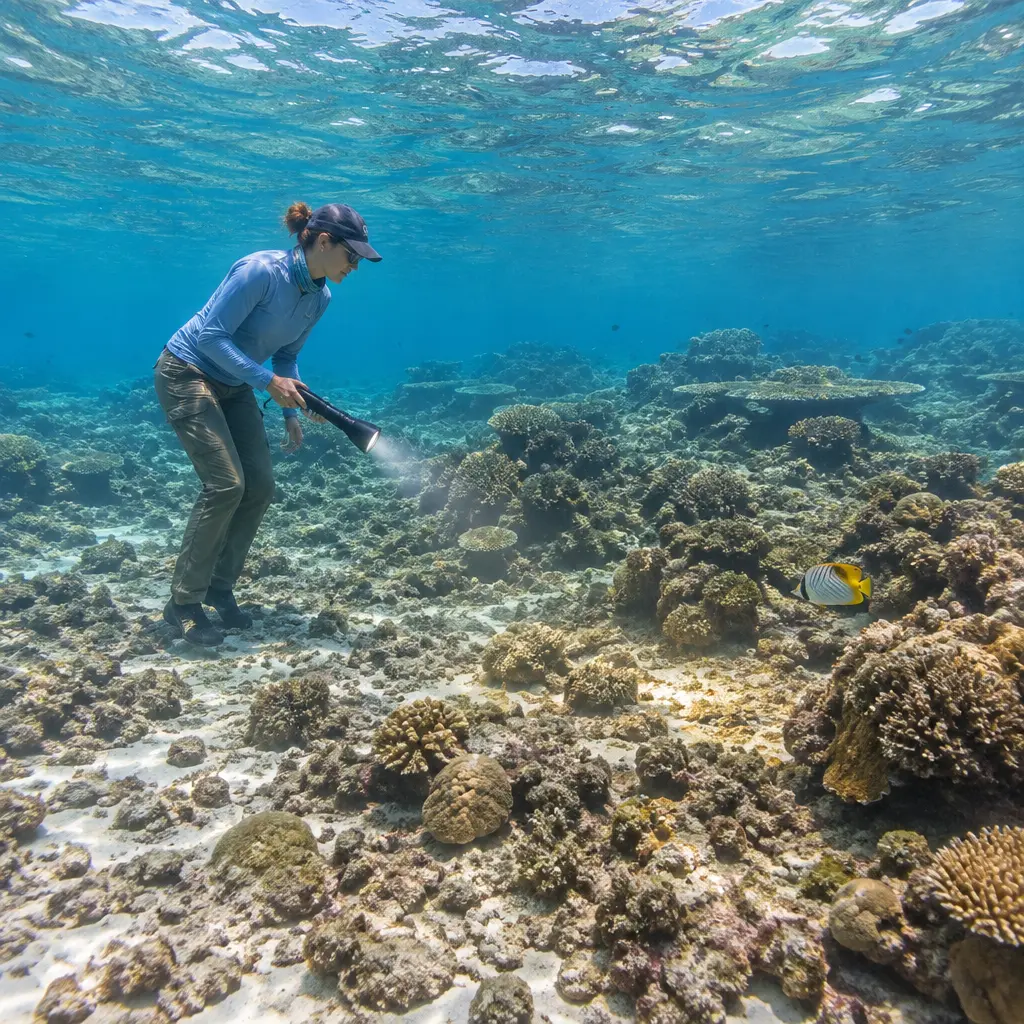
Marine Life Ethics Maintaining Safe Distance To Avoid Stressing Nocturnal Creatures
Nocturnal marine animals need darkness, quiet, and room to move; observing them from a safe…
0 Comments
Read More
October 15, 2026
October 15, 2026
Evelyn
Evelyn
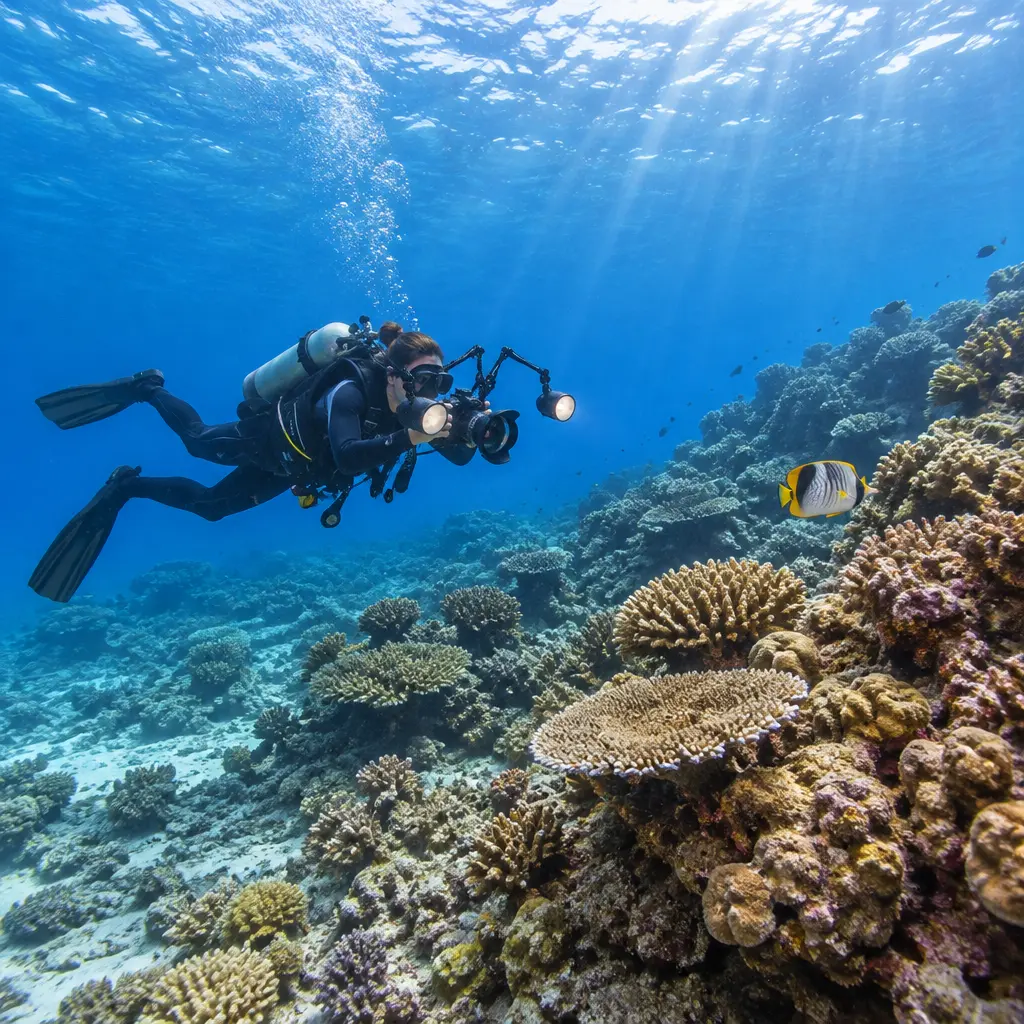
Underwater Photography Lighting Using Strobes To Restore Red Spectrum At Depth
Underwater strobe lighting is the use of brief, controlled flashes to illuminate a subject below…
0 Comments
Read More
October 10, 2026
October 10, 2026
Evelyn
Evelyn
Dive Travel Logistics Packing Regulators In Carry-On To Prevent Loss Delays
A scuba regulator is the life-support equipment that reduces high-pressure tank gas to breathable pressure…
0 Comments
Read More
October 5, 2026
October 5, 2026
Evelyn
Evelyn
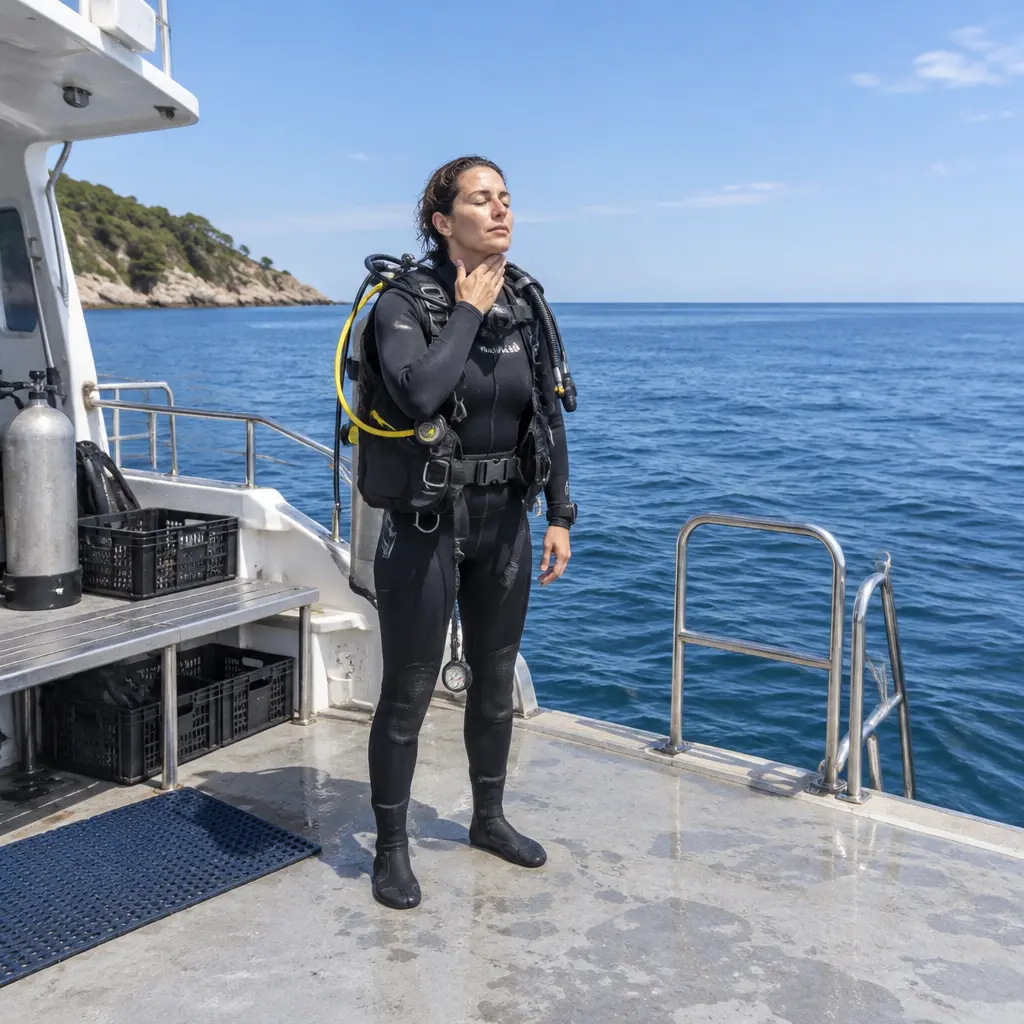
Equalization Technique Preventing Ear Barotrauma Through Early And Frequent Pressure Release
Ear equalization is the process of balancing pressure on both sides of the eardrum by…
0 Comments
Read More
October 1, 2026
October 1, 2026
Evelyn
Evelyn
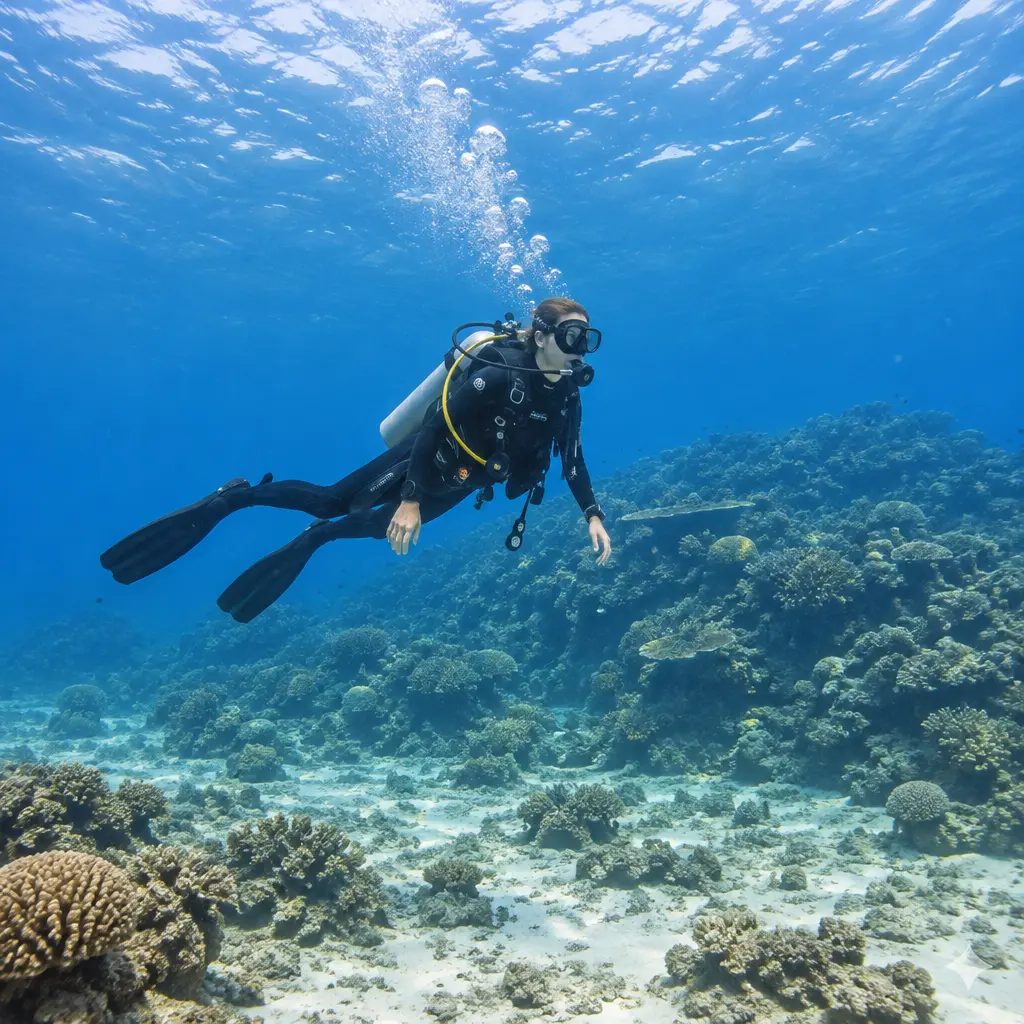
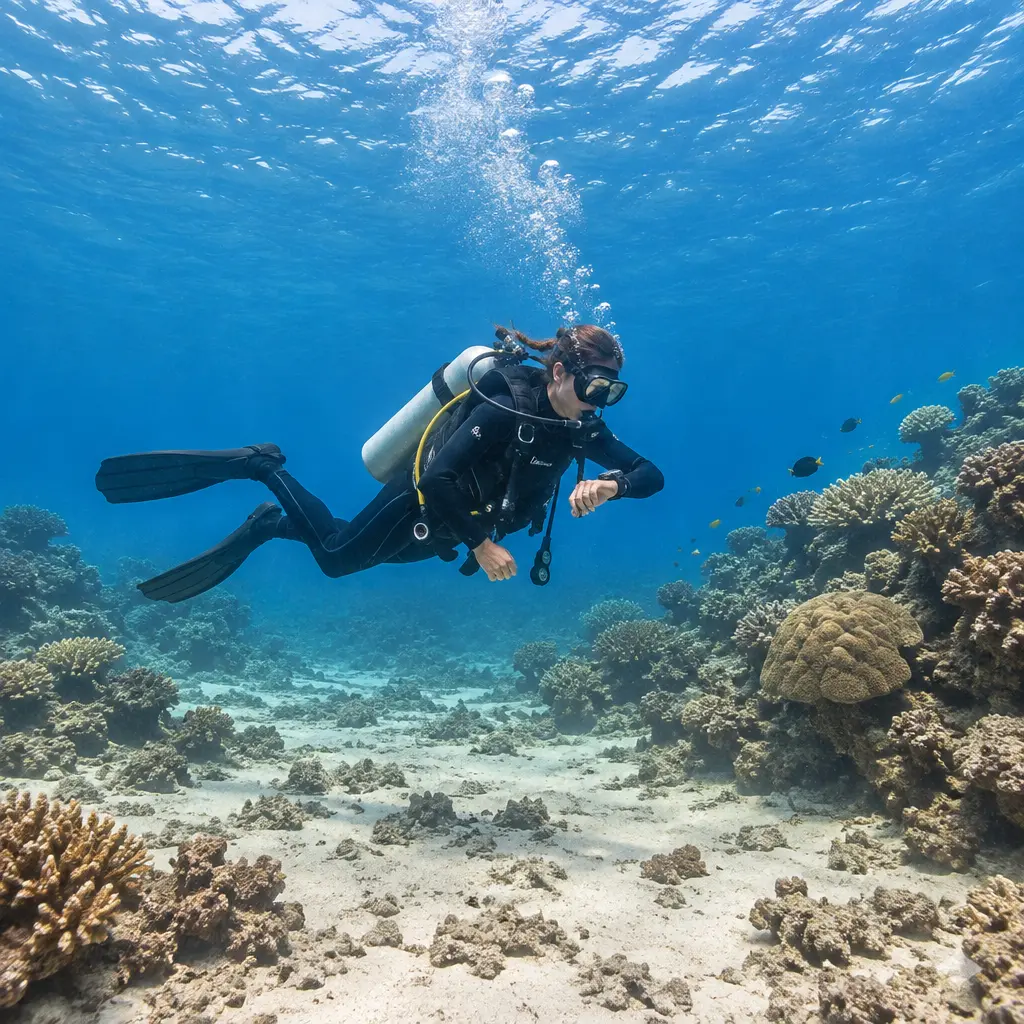
Buoyancy Control Mastery Achieving Neutral Hover To Protect Fragile Reef Structures
Buoyancy control is a diver’s ability to regulate how much they float or sink; mastering…
0 Comments
Read More
September 15, 2026
September 15, 2026
Evelyn
Evelyn
Can You Scuba Dive Without a Certification? What Beginners Should Know
Scuba diving without certification is possible in limited, supervised settings, but it is not the…
0 Comments
Read More
September 12, 2026
September 12, 2026
Evelyn
Evelyn
Why Scuba Diving Feels Different From Swimming: The Science Behind It
Scuba diving feels different from swimming because it changes how your body moves, breathes, senses…
0 Comments
Read More
September 9, 2026
September 9, 2026
Evelyn
Evelyn
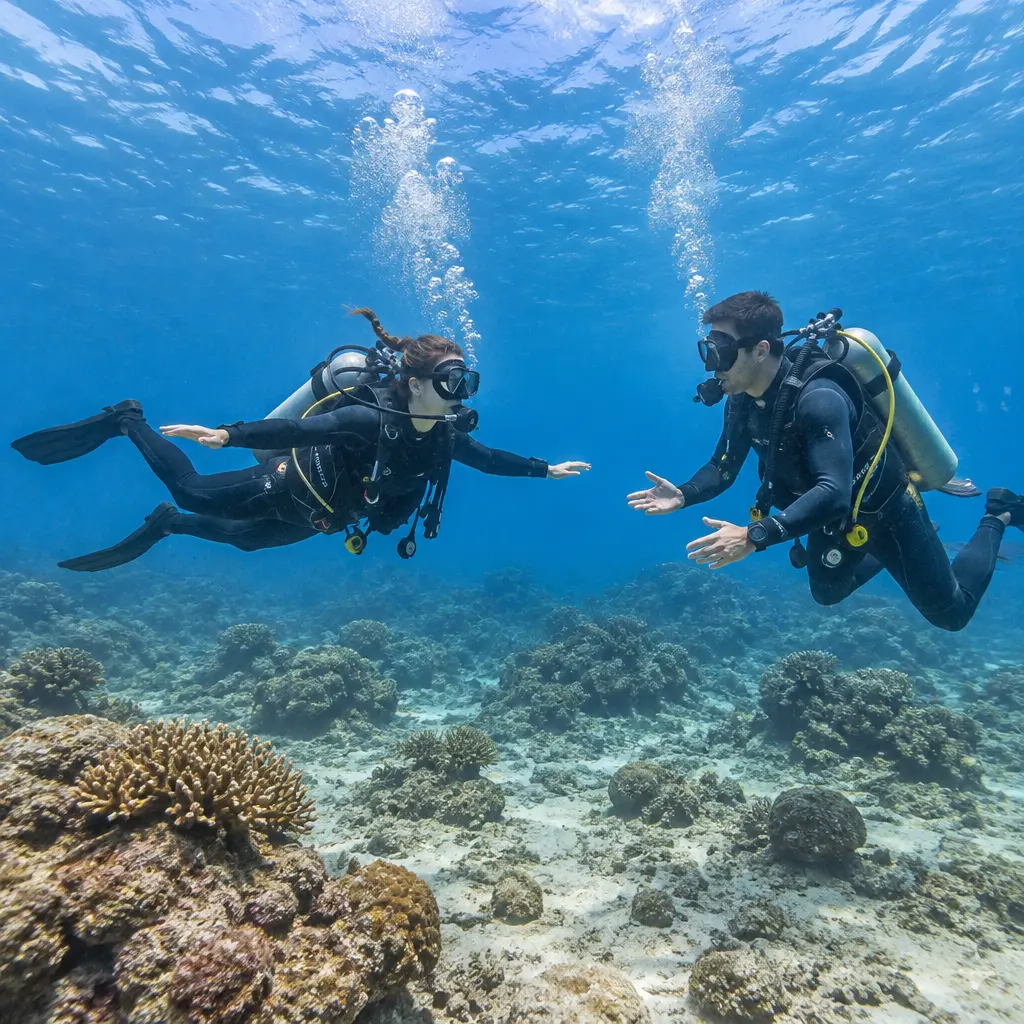
The Core Skills Every New Scuba Diver Learns First
Scuba diving’s first skills are the practical abilities that help a diver breathe underwater, control…
0 Comments
Read More
September 6, 2026
September 6, 2026
Evelyn
Evelyn
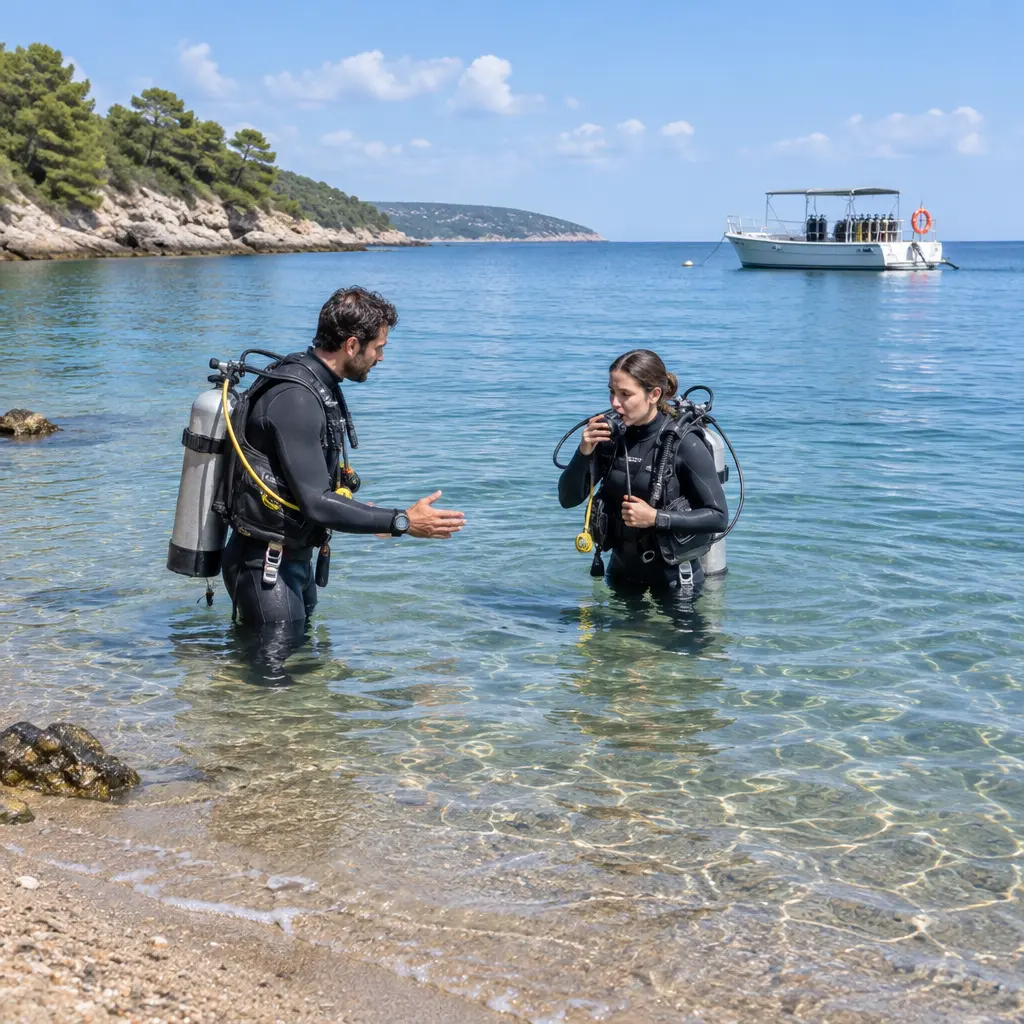
What Does a Beginner Scuba Diving Experience Involve?
A beginner scuba diving experience is a supervised introduction to breathing underwater with scuba equipment,…
0 Comments
Read More
September 3, 2026
September 3, 2026
Evelyn
Evelyn
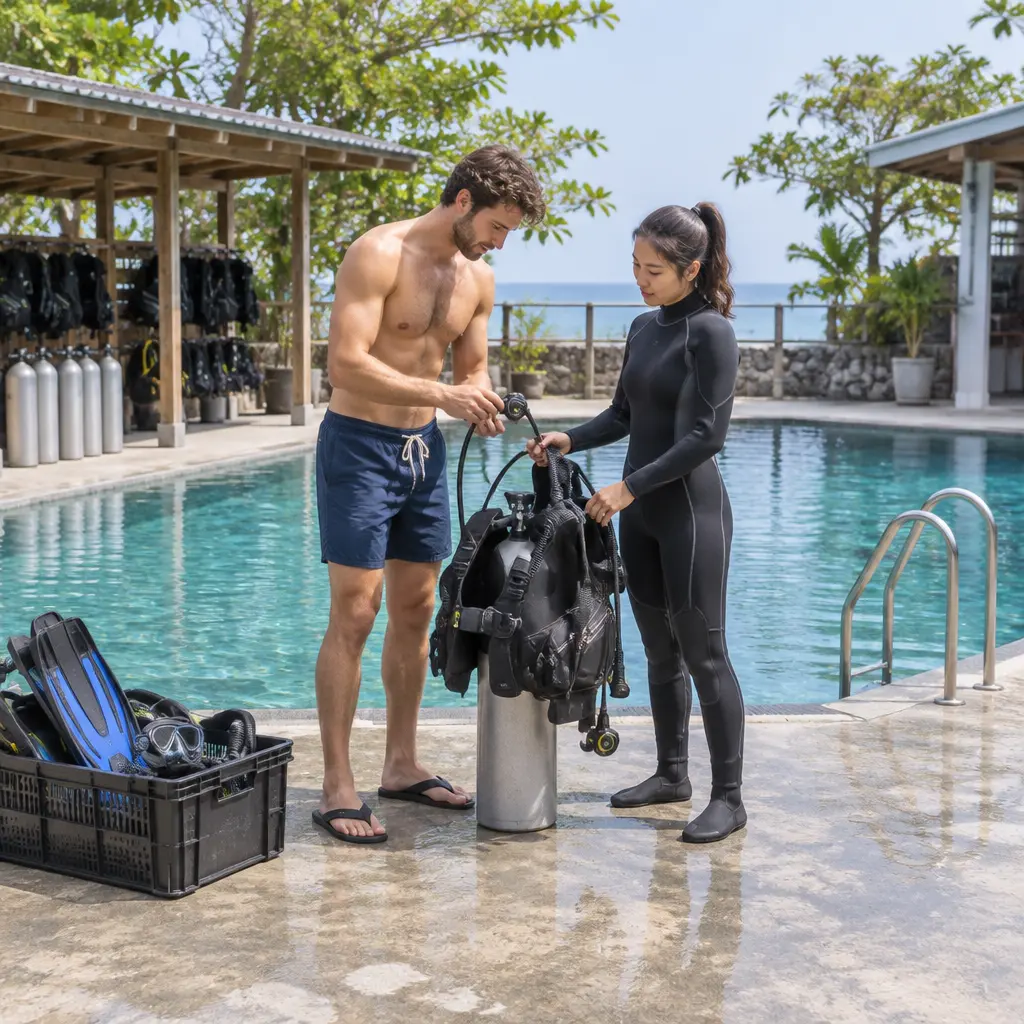
Scuba Diving Safety Basics Every New Diver Should Know
Scuba diving safety is the set of skills, equipment checks, and decision-making practices divers use…
0 Comments
Posts pagination
1
2
…
5
Next page
Search
Search
Marine Life Ethics Maintaining Safe Distance To Avoid Stressing Nocturnal Creatures
Underwater Photography Lighting Using Strobes To Restore Red Spectrum At Depth
Dive Travel Logistics Packing Regulators In Carry-On To Prevent Loss Delays
Equalization Technique Preventing Ear Barotrauma Through Early And Frequent Pressure Release
Buoyancy Control Mastery Achieving Neutral Hover To Protect Fragile Reef Structures
YouTube